Does the Versa Gripps Hyperbelt Help With Heavy Lifts?
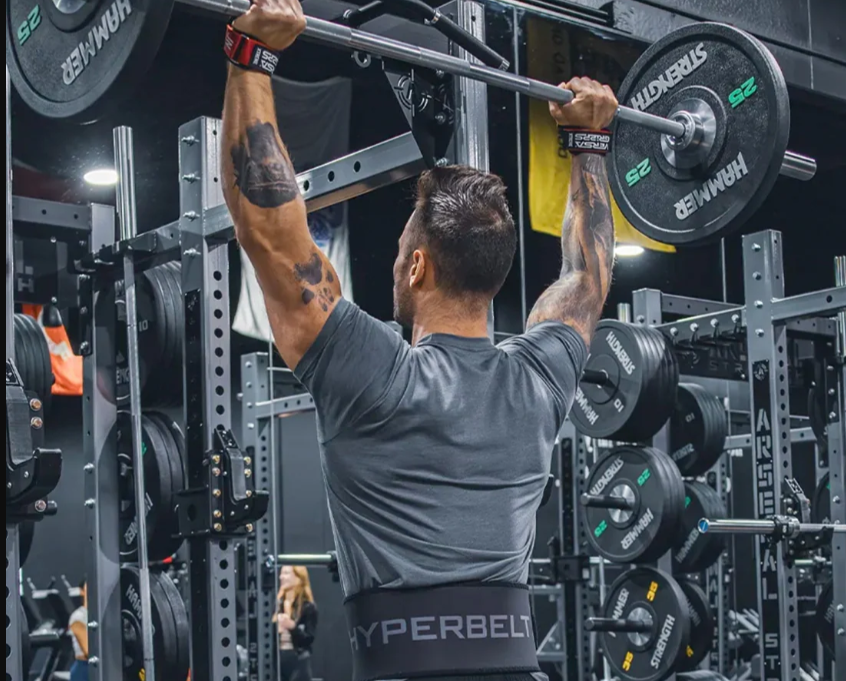
Versa Gripps Hyperbelt
Lifting heavy weights requires strength, balance, and proper technique. Whether you are working on squats, deadlifts, or overhead presses, keeping your core stable is important for performing each exercise correctly. Many gym enthusiasts use weightlifting belts to get extra support during challenging workouts. One option gaining attention among fitness enthusiasts is the Versa Gripps Hyperbelt.
But does the Versa Gripps Hyperbelt really help with heavy lifts? Let’s understand how it works, its main benefits, and who can benefit from using it.
What Is the Versa Gripps Hyperbelt?
The Versa Gripps Hyperbelt is a weightlifting belt designed to provide core support during strength training. Unlike traditional thick leather belts, it has a flexible and lightweight design that is intended to remain comfortable throughout an entire workout.
According to the manufacturer, the belt features six inches of core coverage and an adjustable fastening system. This design allows users to change the tightness depending on the exercise and the amount of support they need.
The Hyperbelt is mainly designed for hypertrophy training, which focuses on building muscle through repeated sets and controlled increases in weight. It can be used for several exercises instead of being reserved only for maximum-effort lifts.
How Does the Hyperbelt Help With Heavy Lifts?
When you lift heavy weights, your abdominal and back muscles work together to stabilise your body. A weightlifting belt provides an external surface against which you can brace your core muscles.
When used correctly, this bracing can increase pressure inside your abdomen, helping support your trunk during demanding movements.
The Versa Gripps Hyperbelt is designed to support this process. Here are some ways it may help during heavy lifting.
1. Provides Better Core Support
Core stability is essential during exercises such as squats and deadlifts. The Hyperbelt wraps around your midsection, giving your abdominal muscles something to brace against.
This additional support may help you maintain a more stable body position when handling challenging weights.
2. Supports Proper Lifting Technique
Maintaining good form becomes harder when you feel tired or increase the weight. The Hyperbelt is designed to provide consistent support across different exercises.
However, wearing a belt does not automatically guarantee correct technique.
- Offers Comfort During Longer Workouts
Traditional powerlifting belts are often thick and rigid. While they can be useful for maximum-effort lifts, some people find them uncomfortable during longer training sessions.
The Hyperbelt uses a flexible, low-profile design intended for extended wear. Its adjustable fastening system allows users to tighten it for demanding sets and loosen it when less support is needed.
This feature may appeal to people who combine heavy compound exercises with higher-repetition workouts.
4. Supports Different Types of Exercises
The Hyperbelt is not limited to one particular movement. Depending on your training style, you can use it during squats, deadlifts, overhead presses, lunges, and other exercises that require core stability.
Its versatile design makes it suitable for people who want support throughout their training session rather than only during one or two heavy lifts.
Is It Better Than a Traditional Leather Belt?
The answer depends on your fitness goals.
A traditional leather powerlifting belt is generally stiffer and is often preferred by lifters who need firm support during near-maximal squats and deadlifts.
The Versa Gripps Hyperbelt focuses more on flexibility, comfort, and support across multiple exercises. It may be a practical choice for bodybuilding and hypertrophy workouts involving several sets and repetitions.
Neither option is automatically better for everyone. Your lifting experience, exercise selection, personal comfort, and training goals should guide your decision.
Who Should Consider Using the Hyperbelt?
The Hyperbelt may be worth considering if you:
- Regularly perform compound exercises with moderate to heavy weights.
- Follow a muscle-building or hypertrophy training programme.
- Want a belt that can remain comfortable throughout your workout.
- Prefer an adjustable design instead of a rigid leather belt.
Beginners should first focus on learning proper lifting technique and developing basic core strength. A belt is an additional training tool, not a replacement for these fundamentals.
Conclusion
Its lightweight construction and adjustable fit make it an interesting option for people who want support throughout a full training session. However, lifters who regularly attempt maximum-effort powerlifting lifts may prefer a stiffer traditional belt.
Ultimately, the right choice depends on your workout routine and personal needs. Good technique, gradual progression, and consistent training remain the most important parts of building strength safely.
About The Author