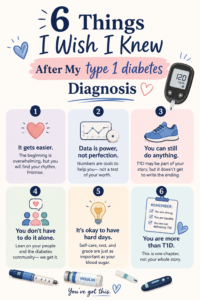
6 Things I Wish I Knew After My type 1 diabetes Diagnosis
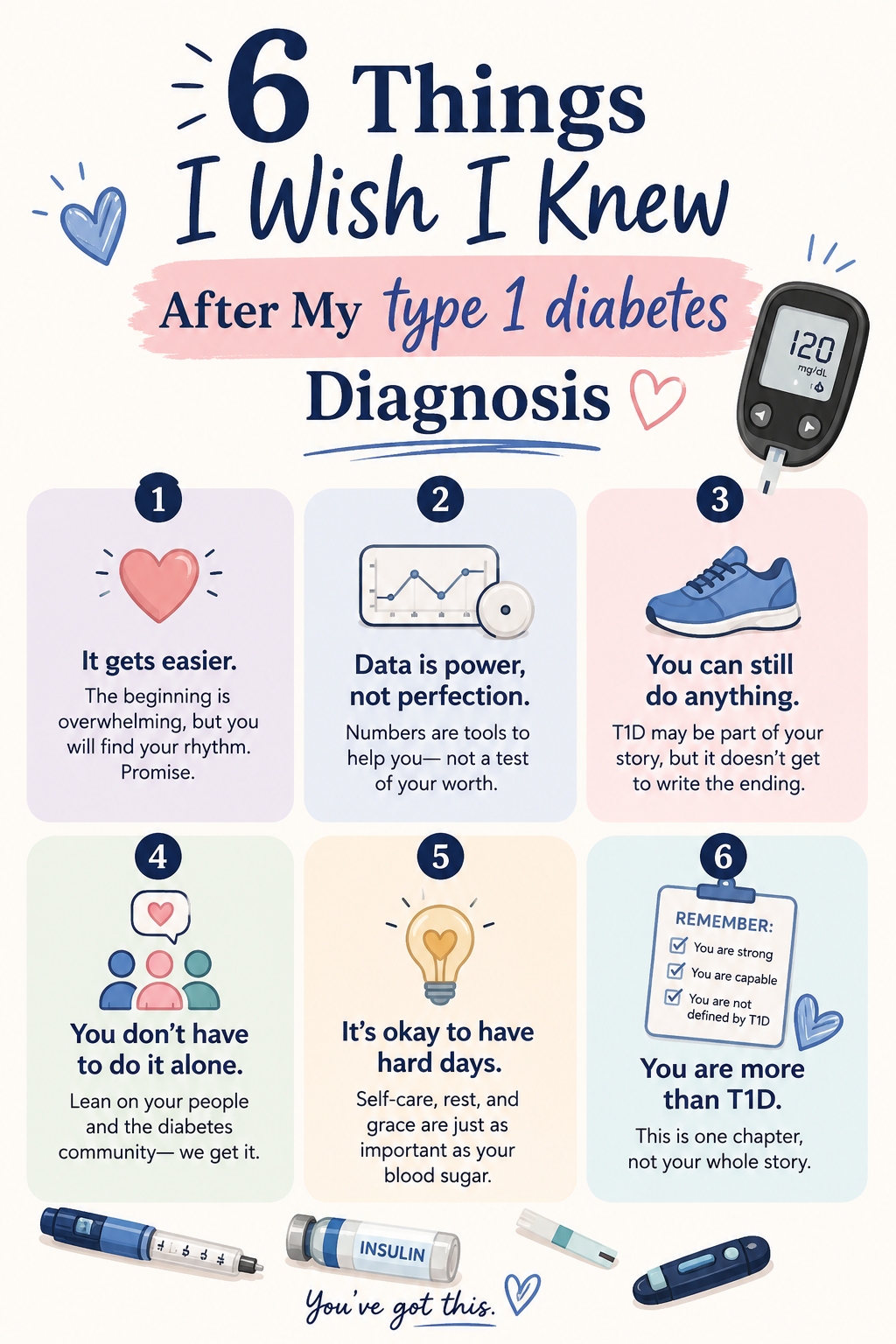
1 diabetes Diagnosis
Getting diagnosed with Type 1 Diabetes can feel overwhelming at first. One moment life feels normal, and the next moment everything changes. Suddenly, there are doctor appointments, blood sugar checks, insulin injections, food planning, and many emotions all at once. It is normal to feel scared, confused, or even frustrated in the beginning.
But with time, many people learn that life with Type 1 Diabetes can still be happy, healthy, and full of possibilities. Looking back, there are many things people wish they had known earlier after their diagnosis.
Here are 8 important things I wish I knew after my Type 1 Diabetes diagnosis.
1. Life Does Not End After Diagnosis
At first, it may feel like life will never be the same again. Many people worry that they will not be able to enjoy food, travel, sports, or social activities anymore. But the truth is that people with Type 1 Diabetes can still live full and active lives.
With proper care and management, it becomes easier to adjust to new routines. Over time, checking blood sugar and taking insulin become part of daily life instead of something frightening.
2. It Is Okay to Feel Emotional
A Type 1 Diabetes diagnosis affects both physical and emotional health. Many people feel sadness, fear, anger, or stress after learning about the condition.
It is important to understand that these feelings are completely normal. Trying to stay strong all the time can become exhausting. Talking to family members, friends, or support groups can make a huge difference emotionally.
Accepting emotions instead of hiding them helps the healing process.
3. Blood Sugar Numbers Do Not Define You
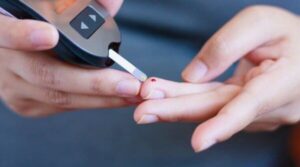
One of the hardest lessons to learn is that not every blood sugar reading will be perfect. Some days levels may be stable, while other days they may rise or fall unexpectedly.
High or low readings do not mean failure. Managing Type 1 Diabetes is a daily learning process, and many factors can affect blood sugar, including stress, sleep, illness, and physical activity.
Being patient with yourself is very important.
4. Food Is Not the Enemy
Many people think they will never enjoy their favorite foods again after diagnosis. But living with Type 1 Diabetes does not mean giving up all treats forever.
Learning carbohydrate counting and understanding how different foods affect blood sugar can help create balance. Healthy eating becomes important, but occasional sweets or favorite meals can still be enjoyed with proper insulin management.
The key is moderation and planning, not complete restriction.
5. Technology Can Make Life Easier
Modern diabetes technology has made daily management much simpler than before. Devices like continuous glucose monitors (CGMs) and insulin pumps help people track blood sugar levels more easily and accurately.
These tools can reduce stress and provide more confidence during daily activities. Many people wish they had known earlier how helpful diabetes technology could be for improving quality of life.
Using technology can also help parents, children, and adults feel more secure and informed.
6. You Do Not Have to Handle Everything Alone
Managing Type 1 Diabetes can sometimes feel tiring and lonely. But support from others can make the journey easier.
Doctors, diabetes educators, family members, and online support communities can all provide encouragement and advice. Connecting with people who understand the condition can reduce feelings of isolation.
Asking questions and seeking help is a sign of strength, not weakness.
Final Thoughts
Recently diagnosed with Type 1 Diabetes diagnosis can feel scary in the beginning, but life slowly becomes more manageable with knowledge, support, and self-care. Every day may not be perfect, but small steps and positive habits make a big difference over time.
Understanding these important lessons early can help reduce fear and build confidence. Most importantly, remember that you are not alone, and you are much stronger than you think.
About The Author